The Psychology of Money Book Review: 7 Lessons That Changed How I Think About Money
 BestPriceDeal.in
Most of us were never taught about money. We learnt it from watching our parents, from a relative who lost everything in shares, from a friend who bought a flat too early, from that one uncle who still says “FD is the only safe thing”.
So we grow up with strong feelings about money and very little clarity.
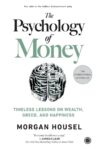
That’s why The Psychology of Money by Morgan Housel works so well. It isn’t a book about which mutual fund to pick or how to read a balance sheet. There are almost no formulas in it. It’s a book about behaviour: why smart people make bad money decisions, and why some very ordinary people quietly end up wealthy.
I’d heard about it for years before reading it. Now I think it’s the first money book anyone should read.
Book Details at a Glance
| Title | The Psychology of Money: Timeless Lessons on Wealth, Greed, and Happiness |
| Author | Morgan Housel |
| First published | 2020 |
| Genre | Personal finance, behavioural finance |
| Structure | 19 short stories plus a closing chapter on the author’s own finances |
| Reading level | Very easy. No finance background needed |
| Best for | Beginners, salaried professionals, students, new investors |
What Is the Book About?
Housel’s main argument is simple. Doing well with money has less to do with how intelligent you are and more to do with how you behave. And behaviour is hard to teach, even to very smart people.
He opens with two real people. One is Ronald Read, a janitor and petrol pump attendant in America who lived simply, saved what he could, invested in good companies and left it alone for decades. When he died at 92, he was worth over 8 million dollars. Nobody around him had any idea.
The other is a Harvard-educated finance executive who earned a fortune, borrowed heavily to fund a huge lifestyle, and went bankrupt when the 2008 crisis hit.
In what other field, Housel asks, could someone with no training beat a highly qualified expert like this? It doesn’t happen in surgery or engineering. It happens with money, because money is about patience and temperament more than knowledge.
The rest of the book is 19 short chapters, each built around one idea and one or two stories.
7 Lessons That Stayed With Me
1. Nobody is crazy
People make money decisions based on what they’ve lived through. Someone whose family lost savings in a market crash will see shares very differently from someone who started investing during a boom. Neither is stupid. They just have different experiences.
This one made me a little more patient with my own parents’ love for gold and fixed deposits.
2. Luck and risk are real
Housel tells the story of Bill Gates, who happened to attend one of the very few schools in the world that had a computer in 1968. Brilliant, yes. Hardworking, yes. Also very lucky. His equally talented school friend, Kent Evans, died in a mountaineering accident before finishing school.
The point: don’t worship every success story and don’t judge every failure too harshly. Not everything is in our control.
3. Knowing when you have enough
This chapter has a strong Indian connection. Housel writes about Rajat Gupta, who was born in Kolkata, lost his parents early, rose to head McKinsey and was worth around 100 million dollars. He wanted more, got involved in insider trading, and went to prison.
If you keep moving the goalpost, no amount will ever feel like enough. That’s worth thinking about in a country where we constantly compare salaries, cars and flats.
4. Compounding needs time more than talent
Warren Buffett is rightly called a great investor. But Housel points out something people miss: most of his wealth came after he turned 65. He started investing as a child and never stopped. His real secret is not just skill. It’s decades of staying invested.
For anyone doing SIPs and feeling impatient, this chapter is very reassuring.
5. Getting rich and staying rich are two different skills
Getting wealthy needs some risk-taking and optimism. Staying wealthy needs the opposite: humility, caution, and the fear that you could lose it all. Many people manage the first and fail at the second.
6. Wealth is what you don’t see
The neighbour with the new SUV and the big wedding may or may not be rich. All you can see is what they’ve spent. Real wealth is the money that wasn’t spent: the savings and investments nobody posts about.
Housel also talks about the “man in the car paradox”. When we see someone in a fancy car, we rarely think “what a great person”. We think “I wish that was my car”. So buying expensive things to earn respect usually doesn’t work.
7. The real return on money is freedom
This was my favourite idea in the book. The best thing money can give you is control over your own time. Being able to say no to a job you hate, take a break when your family needs you, or wake up without panic about the month-end.
It changed how I look at savings. A healthy bank balance isn’t idle money. It’s freedom you haven’t used yet.
What I Liked
- Simple language. No jargon. You can read it comfortably even if finance scares you.
- Short chapters. Most take 10 to 15 minutes. Easy to read one a day.
- Stories instead of lectures. You remember the janitor and Rajat Gupta long after you’ve forgotten the numbers.
- Honest ending. In the last chapter, Housel shares how he manages his own family’s money. It’s refreshingly plain, with no secret formula.
- It’s calming. Most finance content makes you feel behind. This book makes you feel like a sensible, boring approach is perfectly fine.
What I Didn’t Like
- Examples are mostly American. The stock market history, home loans and retirement accounts he talks about are all US-based. The lessons apply everywhere, but you’ll have to connect them to PPF, SIPs and Indian markets yourself.
- It won’t tell you what to do. If you want a step-by-step plan (how much to invest, where, in what order), this isn’t that book.
- Some ideas repeat. The points about patience and long-term thinking come up again and again in different chapters.
- Seasoned investors may find it basic. If you’ve read a lot on behavioural finance already, you won’t find much that’s new.
Who Should Read It?
Read it if you are:
- In your 20s or 30s and just starting to earn
- Someone who finds money stressful or confusing
- Planning to start investing and want the right mindset first
- A parent who wants to teach kids about money sensibly
- Looking for a useful gift for a graduate or a newly married couple
Skip it if you:
- Want detailed, India-specific investing advice
- Are looking for stock tips or get-rich-quick ideas (this book is the opposite of that)
Is It Worth Buying?
Yes. The paperback is usually priced very reasonably on Amazon India, and it’s a book you’ll come back to. I’d suggest buying a physical copy over reading a summary, because the stories are what make the lessons stick.
FAQs
Is The Psychology of Money good for beginners? Yes, it’s one of the best starting points. You don’t need any background in finance or investing to follow it.
How many chapters are there? There are 19 short lesson chapters, followed by a chapter where the author describes how he handles his own money.
Is the book relevant for Indian readers? The examples are American, but the lessons about saving, greed, patience and comparison apply fully in India too.
How long does it take to read? Most people finish it in 5 to 6 hours. A chapter a day gets you through it in about three weeks.
What should I read after it? Good next reads are Rich Dad Poor Dad by Robert Kiyosaki, Let’s Talk Money by Monika Halan for India-specific guidance, and Morgan Housel’s follow-up book Same as Ever.
Does it teach how to invest in stocks? No. It teaches how to think and behave around money, not which shares or funds to buy.
Disclosure: This post contains affiliate links. If you buy through them, we may earn a small commission at no extra cost to you. This review is for general information and is not financial advice.