 BestPriceDeal.in
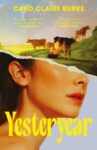
Caro Claire Burke had an audience before she had a book. She talked about feminism and tradwife culture on TikTok, and she co-hosts a politics and pop culture podcast called Diabolical Lies. So when her debut turned out to be a novel about a tradwife influencer, it was easy to be a little suspicious. Plenty of writers with big online followings put out books that read like extended posts.
This one sold anyway. Yesteryear came out from Knopf in April 2026, made the New York Times bestseller list, and was picked up by Amazon MGM, with Anne Hathaway attached to star and produce. I went through a stack of reviews, from readers who loved it to critics who didn’t, to work out where the truth sits.
Natalie Heller Mills is thirty-two, has six kids, and is the face of a farm called Yesteryear. Her followers are jealous of everything: the sourdough, the linen, the husband, the soft light. Then one morning she wakes up and it appears to be 1855, and she’s living the harsh version of the life she’s been selling. Time travel, a nightmare, something else? The book keeps you guessing for a good while, and the answer changes how you read the rest. I won’t spoil it. The story cuts between her pioneer present and the story of how she built her empire in the first place, and that second thread is where most of the satire lives.
Most readers agree Natalie is the best thing about it. She’s a villain and a victim at the same time, a woman who sells submission while running everything with an iron grip. People say they understood her even when she did awful things, and that’s hard to write. It also moves fast. Plenty of readers finished it in a couple of sittings.
The complaints are worth taking seriously, though. The sharpest one is that the book makes its point early and then keeps making it. Natalie’s fantasy falls apart the moment she has to live it, the past is brutal rather than pretty, and influencer culture pays for performance over honesty. One reviewer said that by four-fifths of the way through, he hadn’t been told anything the opening chapters hadn’t already said. Another argued the satire misses because the author doesn’t fully understand what she’s mocking. I can’t settle that one for you, but it’s a real objection from people who read closely.
A pacing complaint comes up a lot too. The pioneer chapters are the most gripping part, and they keep getting cut off right when something is about to happen, so you’re dragged back to the backstory. If you came for the 1855 storyline, that will annoy you.
Fair warning that this is a dark book. Abuse of power, a psychological breakdown, and some scenes that are hard to read, and it doesn’t cushion any of it.
If you like sharp, uncomfortable satire and you’re fine with a message that stays put once it’s landed, you’ll probably have a good time. If you read for character, Natalie may be enough on her own. If you need a novel to keep complicating its own argument as it goes, this might frustrate you. I’d give it 4.1 out of 5: a confident, fast debut with a memorable narrator, held back by an idea that stops moving before the plot does.